Search this site
3915 results found with an empty search
- Six Easy-Care Plants You Need In Your Office
Plants have many benefits that go beyond the aesthetic. Research has revealed that biophilic design, the implementation of nature and greenery into a space, can increase productivity by 20% as well as reducing absenteeism by 15%. However, the maintenance can be off-putting. Outdoor plants aren’t normally too tricky, as there’s much more natural light when needed, and you can always use an outdoor heater to give them some warmth on a chilly day. However, meeting the requirements for indoor plants can sometimes be a challenge. The benefits are too good to ignore, especially when it comes to the office; so it’s important to find the perfect plants to add to the workspace. Here, we delve into six plants that work well in an office based on their low maintenance and air quality advantages. Pothos Pothos, otherwise known as devil’s ivy, has many advantages, one being that it can be potted in different ways. It can be placed on a desk or in a hanging pot on a wall, so if your foot traffic is high, you can hang this plant up and out of the way to ensure you’re still reaping the benefits. Only indirect light is required for pothos, and it can even handle shade. The best position would be to hang this plant as they can grow up to eight feet a year, not to mention it will save space on your desk. Watering pothos once a week is just enough, but make sure you only water it when the first two inches of soil are dry. At the peak of winter, you may find that you only need to water it around twice a month. This plant is effective at removing common toxins in the air, such as formaldehyde, xylene, and carbon monoxide. According to NASA, two to three air-purifying plants in a pot size between eight to ten inches are recommended for every 100 square feet, so consider adding a lot of these around the office. Snake Plant The snake plant can grow between six inches to eight feet tall, so consider the foot traffic in your office. That being said, these plants can handle both low light and direct sun, and they’ll do just fine in the corner of the room where it won’t take up too much space. A minimum of five hours of light is needed for them to grow properly, so consider a corner near a window. The soil needs to completely dry out in between watering for the snake plant, making it the perfect plant for busy office workers who may be forgetful when it comes to care. Watering is required every two weeks, and in winter, this can reduce to once a month if the soil isn’t dry after a fortnight. Yet another benefit is that this plant can filter indoor air and has the ability to convert carbon dioxide into oxygen at night while you’re away from the office. Chinese Evergreen Chinese evergreen plants do well in medium to low light conditions or indirect sunlight, so it makes for the perfect desk plant if you’re cooped up in a dark corner in the office. However, this plant does prefer a warm temperature and won’t thrive if it is in an environment under 16 degrees, so keep it away from any air conditioning. With the plant on your desk, you’re unlikely to forget to care for it – but remember that watering is needed every seven to ten days and every fortnight when winter arrives. Chinese evergreen is a NASA-recommended air-purifying plant, as it emits a high amount of oxygen and can purify a space of toxins like benzene, making it a top pick for the office. Spider Plants Spider plants will spruce up your space, and you’ll only need to water these around once a week, but only do so when the top two inches are dry. You can even use your water bottle for this, as it won’t require a large quantity, and it’s likely you’ll have one handy on your desk. Medium light is best for spider plants and direct sunlight should be avoided, so your desk is the perfect home for this to maintain its growth. The office’s air quality will improve with spider plants too, as it eliminates toxins like formaldehyde and xylene. Peace Lilies Peace lilies are bound to brighten up the office. East-facing windows are the best home for peace lilies in your office, but north facing will also keep the plant happy. A minimum of ten hours in a well-lit spot will allow your plant to thrive, but direct sun will dry out the plant, so keep this in mind. Additionally, they won’t be too fond of a cold draft, so ensure the window stays closed and there’s no air conditioning close by. Consistency is necessary for peace lilies, so watering every week to keep the soil moist is important. One of the great things about this plant is that it will communicate when it needs watering as the leaves will droop, so if you do notice this, be sure to check on the soil and add some water if it feels dry. By adding this into the office, the air will be purified, as it is capable of eliminating 60% of pollutants, like carbon monoxide. Rubber Plant If your office needs something to make a statement, a rubber plant, or ficus elastica, will do the trick. This plant works best for offices with low foot traffic, as it can grow up to 10 metres tall, so it could get in the way slightly if you don’t have much space. While a rubber plant will work best in medium to bright indirect light, it can also manage direct sunlight – but positioning it near a south-facing window along with blinds will be the best location in the office. Just a moderate amount of water is needed for a rubber plant, but be sure to keep the soil consistently moist. In the warmer months, you should water your plant every seven to ten days to keep it moist and avoid it from getting soggy – but this can be every two to three weeks in winter. Rubber plants will also absorb carbon dioxide and turn this into oxygen to help purify the air. Finding the perfect plant for your office space is easier than you might think, and just one of these will brighten up your workspace instantly.
- Four Common Mental Health Myths In The Workplace
At some point during the year, one Briton in four is likely to experience a mental health issue, and there is no hiding that work conditions and environment can actively contribute to that figure. Research carried out by Mind UK found that more than one worker in five (21%) has, at least once, called in sick to avoid stressful work situations. Not only that, but it also showed that 42% of UK employees have considered resigning because of their workplace’s negative influence on their mental health. As a business owner, it’s crucial to make sure that your people are as happy and healthy as can be and that mental illness isn’t treated as a taboo subject. Sometimes, you may not have immediate control over what is causing your employees feelings of stress or anxiety, as they could be triggered by personal, family, or external factors. But on a whole, offering mental health support in the workplace can both enhance people’s morale and save UK businesses up to £8 billion annually. Here, with Vicky Walker, Director of People at Westfield Health , we outline a few mental health myths that should be debunked in order to promote workplace wellbeing and create an open, supportive work environment. Myth #1 – Mental health conditions are a sign of weakness First things first, it’s important to address the fact that people suffering from poor mental health are not weak. Mental illnesses are diagnosed medical conditions, rather than a sign of a fragile character. There are several reasons why employees may be struggling with mental health problems, from work-related stress to day-to-day life troubles. What’s more, some individuals may be more prone to developing these issues, as mental illnesses could be part of their family medical history, favoured by genes and biological factors. If a worker confides to you that they are dealing with sentiments of stress, anxiety, or depression, you should recognise this as an act of personal strength. Sharing one’s feelings, especially if they are not positive, requires determination and courage. So, as the employer, make sure to take action to reduce stigma associated with mental health. This way, you can foster an empathetic environment to help all your people flourish in their roles. Myth #2 – People with mental health issues can’t do their jobs Another misconception about people living with mental health conditions is that they are not able to carry out their job adequately. But the truth is that mental health issues may, in some scenarios, have little or no impact on an employee’s performance. This generally depends on the individual in question and the nature of the illness. People experiencing sentiments of stress and anxiety may still be able to plough through, maintaining good productivity levels and attendance records. Working hard – or more than is expected – could even act, for someone, as an unhealthy coping mechanism, adopted to brush aside their condition. However, this doesn’t cure their struggles, and masking their issues could worsen their mental wellbeing in the long run. It’s not always easy to spot whether one of your employees is battling with their mental health. Therefore, you may want to provide managers with useful guidance and training, which may help them detect any warning signs within their team. By doing so, you’ll give your team the necessary tools to nip a problem in the bud, intervening before it can escalate. Myth #3 – Pressure always improves productivity and performance Some believe that pressure can drive employee performance, productivity, and efficiency. It can keep people on their toes, preserve their motivation levels, and help them achieve specific targets. However, balance is vital. Excessive pressure can have the opposite effect, leading to a collapse in confidence and concentration. Also, people have different levels of tolerance for stress, meaning they respond differently to work pressure. If the pressure becomes too much to handle, it can rapidly turn into a risk factor both for the employee and your business. One of the most frequent consequences is ‘presenteeism’, which refers to a loss in productivity when employees disengage because they are unwell without taking a leave of absence. As a business owner, you can prevent this by ensuring your people are feeling enough pressure to motivate them to excel without overwhelming them. As well as benefitting your employees’ personal wellbeing, you’ll also nurture the efficiency of your company. Myth #4 – Managers can’t assist with mental health issues Of course, managers are unlikely to have the medical expertise to guide people living with mental health through the recovery process. However, they can certainly make a difference when it comes to maximising their team’s wellbeing in the workplace. In fact, there are several ways in which, as a manager or company owner, you can instil a positive work culture which accounts for mental health. For example, you can create open forums that allow employees to voice their concerns and feelings, such as stress, anxiety, and depression. Embedding mental health into your organisation will encourage workers to talk freely about their personal and professional problems. This means that any worry can be addressed from the outset, so timely support can be offered while avoiding unwanted consequences. What’s more, it will help create a work environment where people are aware, sensitive, and respectful of the pressures faced by their colleagues. There are many myths surrounding mental health in the workplace. Some employers may view mental illnesses as a ‘weakness’, whereas others may believe that those living with mental health conditions aren’t able to fulfil their job roles. But more often than not, this is simply not true. This is why it’s crucial for owners and managers to embrace a work culture that fights mental health stigma and focuses on their people’s wellbeing. Ultimately, by creating a supportive, empathetic environment, you’re bound to always get the best out of your team.
- Understanding The Carbon Footprint Issue
We live in a world of continuing change and in recent years there have been a number of important changes to the weather that is experienced around the globe. Much talk is made of the impact around climate change and the need to reduce the ‘carbon footprint’ but what are we actually talking about? A carbon footprint is defined as ‘the amount of carbon dioxide that is released into the atmosphere as a result of the particular activities of individuals, organisations or communities’ and it is the carbon in the atmosphere that is seen as directly contributing to the warming of the earth’s atmosphere and therefore causing climate change. Climate change is seen as related to carbon dioxide and therefore the level of emissions into the atmosphere are causing issues. In order to minimise the impact of climate change – rising sea levels, catastrophic changes in temperature, flooding, destruction of icebergs, deforestation, warmer summers etc – carbon dioxide emissions need to be reduced. This is something that is on the global agenda with the United Nations adding it to their Sustainable Development Goals and the EarthShot Prize that was launched recently seeks to tackle the challenges too. However, everyone can individually seek to reduce their own carbon footprint by their own daily choices as well. What can individuals do to reduce their carbon footprint? Source and buy local, seasonal produce (less need for resources and machinery to produce, harvest, package and transport) Buy organic produce which does not involve chemicals in production (less consumption of resources) Eat less meat (vegetarian diets have smaller carbon footprints) Source renewable energy where possible Consider paying the carbon offsetting supplement for when you fly (enables conservation efforts to be undertaken to offset the carbon produced whilst travelling) Reduce unnecessary trips in petrol/diesel vehicles Use less technology Turn off lights when not needed Print less (saves trees) Reduce consumption and recycle more. There are plenty of small things that we can all do to reduce our carbon footprint and the impact that we each have on the environment each and every day. Cumulatively, we can make a difference.
- Getting Up Close To Mother Nature
The past couple of years has has made us all appreciate the simpler things in life – from the birdsong in the morning to a walk in the woods and getting close to nature. Good mental wellbeing ensures that we are comfortable and confident and able to cope with the challenges of everyday life. Getting out and about is fun but what are the benefits of embracing nature. A Boost Of Energy There is plenty of evidence to suggest that getting out and about in nature can boost energy levels significantly Good For The Eyes Many of spend plenty of time close to screens which can cause tired eyes and research suggests that a break from the screen is good for us and by walking outside, the eyes are drawn further afield which can be good for your vision. A Boost To The Immune System The air outside contains more of the good chemicals created by plants known as phytoncides and by being outside we tend to breathe in more of these chemicals which can have health benefits such as increasing white blood cell levels and therefore helping to counter infections. It Makes Us Happy There is no getting away from the fact that a walk in the woods or a stroll through a summer meadow, a walk in the park or a cycle by the sea refreshes the soul and makes us happy. It Can Make Us More Creative Again there is evidence to suggest that mother nature and the great outdoors is an inspirational environment, making us more creative in our approach to life in general. Provides A Rich Source Of Vitamin D Being outdoors is a great source of the recommended daily Vitamin D requirement which is essential for a healthy body. Provides Time To Think Just getting away from the desk or out of the house can be all that it takes to give us the time to think, reflect and consider things more openly. It Gets Us Active Just being outdoors can be a good thing as we are being active, and active bodies can lead to active minds. Whether it is a walk, cycle or something more physical, being active in the great outdoors can really help with general wellbeing of the body and soul. Acts As A Balance To The Stresses Of Life In General We all have a lot to do and face challenges throughout the day and nature can be a really restorative balance to the daily grind. It helps us to focus and prioritise our thoughts and what is generally important to us such as family, friends, health and welfare so can can help us to shrug off some of the daily pressures we face too.
- Swimming Provides A Splash Of Benefits
Swimming is an extremely popular sporting activity for people of all ages and abilities and is recognised as having lower impact on joints than some activities as well as providing a number of other benefits. Here are 10 benefits associated with swimming on a regular basis: A Full Body Workout Swimming is one of those exercises that really does exercise the whole body, from head to toe, helping to build endurance, improve strength and tone muscles. Sleep Benefits Exercise has been linked to sleep in many studies over the years so swimming, as a good source of exercise, can actually improve and enhance the quality of sleep too! Rehabilitation As swimming is recognised as a lower impact sport than many others, it is often used to recover from injury and to help with general rehabilitation too. Burns Calories As it uses many muscles, swimming is a good exercise and an efficient way to help burn calories. Improves Mood Exercise in general has been proven to provide enhanced personal moods and swimming as an exercise does the same. Good For All Ages From the young to the old, swimming is age agnostic. A great way for us all to get active and a particularly good way to provide exercise to the kids. Children generally enjoy the water and love to splash around and have fun. Swimming can be a fun way to exercise, spend time with the kids and benefit at the same time, not forgetting that for many it is a necessary life skill as well. Good For The Cardiovascular System Proven to strengthen the heart and lungs, swimming is a good exercise to provide a good muscle workout as well. Stress Management Life today continues at a fast pace and exercise is generally recognised as a good way to take some time out, helping alleviate some of the symptoms of stress too. Taking the time to take the plunge can take the mind of daily concerns and help to de-stress the body too. Affordable There are not too many requirements for swimming so it is not an expensive sport to follow and is therefore more affordable for us all. Fun There aren’t many people that don’t enjoy splashing around in the pool so swimming can be fun as well as providing exercise at the same time! With plenty of public swimming pools available, swimming is accessible to us all and with low costs to swim, and few equipment needs, it is also a more affordable exercise than many others, and has plenty of benefits too.
- An Apple A Day Might Not Be A Bad Idea!
We have all heard the phrase, “An apple a day keeps the doctor away” and whilst it may not be totally true there are certain benefits of eating an apple that can help as a balanced diet. Eating fresh fruit and vegetables as an alternative snack to crisps or biscuits is not only a health option but provides lots of other benefits too. There is quite a high water content in an apple so they can be a good way to hydrate and whilst they can be a great snack on their own, they are also well matched with a piece of cheese, healthy dip or even a bowl of yogurt for breakfast. Eating an apple a day can also contribute to the recommended daily intake of fruit and vegetables too. We spoke to Tom Sanders, Professor of Nutrition and Dietetics at Kings College London who worked with British Apples & Pears to outline the nutritional benefits of apples. As he explains “Apples are full of vital vitamins, minerals and a wide variety of phytochemicals. They also contain high levels of Vitamin C and are rich in polyphenols, compounds that are antioxidant and proven to have other health promoting properties.” Apples also contain fibre which is important for a balanced diet and have the added benefit of being lower in calories than alternative snacks that we might be tempted by such as crisps and biscuits. There are plenty of benefits from eating apples so there is certainly some merit in eating a healthy apple as a nutritious snack or as part of a delicious dish, each and every day!
- The Joys Of Physical Activity
It is no surprise that one of the most common New Year’s resolutions is to commit to weekly jogs or walks to keep fit and stay in shape. From lowering the risks of heart disease to helping safeguard brain health, exercise can play a significant role in aiding physical and mental wellbeing. In this respect, another vital aspect of regular exercise is that it can support a healthy immune system. A 2018 study in China showed that people who work out at least three times per week decreased their likelihood of catching a cold by 26%. Here, in this article provided by Westfield Health , we explore the relationship between exercise and a healthy immune system, explaining how physical activity can prevent infections. How Exercise Helps The Immune System Exercising brings a large array of benefits. It only takes some light, low-intensity activity, for instance, to lift a person’s mood and tackle elements of depression. But that certainly isn’t its only advantage. A recent study suggests there is a strong link between physical activity and our defence system. In fact, exercise has been found to aid your immunity, decrease the risk of infection, and reduce inflammation. In what way? Humans have only a limited number of immune cells roaming around their body, as they tend to stay in organs (e.g. spleen) and lymphoid tissues. With exercise, however, the contraction of muscles increases lymph and blood flow, which aids the circulation of immune cells throughout the body. By travelling at a higher number and rate, these cells will find it easier to track down pathogens and get rid of them. It’s important to realise that this response will not last forever. This is why it’s crucial to exercise on a regular basis; to ensure the process is repeated. Finding The Right Balance Regular physical activity is fundamental to supporting a healthy immune system. Daily workouts can go a long way in improving well-being and truly benefitting overall health. However, it’s crucial to find the right balance. In fact, high-intensity activity for a prolonged period of time can have a negative impact on sleep patterns and energy intake. A 30-minute activity session is enough to support the immune system. Going for a walk, playing golf, enjoying a relaxing swim, or heading to a dance class are all viable options. If the weather outside is not inspiring, practise some indoor yoga and pilates – even vacuuming and gardening count towards daily exercise requirements. That said, there are things that exercise cannot help, such as physical issues that require surgery. In this respect, a private health insurance plan can help access surgery quicker and offer some well-deserved peace of mind. In fact, benefitting from swift care can lower stress levels and ensure you’re in pain for less time. With the clear, proven relationship between exercise and a healthy immune system, physical activity is the perfect way to help support a great lifestyle.
- The Impact Of Sleep On Work Productivity
Sleep is essential for maintaining good physical and mental health, as well as overall well-being. Getting enough quality sleep is important for our ability to function at our best, both in our personal lives and in the workplace. Here, Martin Seeley, Sleep Expert and CEO of Mattressnextday shares how a lack of sleep can affect us physically and mentally, and also shares tips on getting a better night’s sleep. How Does Poor Sleep Affect Productivity? Concentration & Focus : Lack of sleep can lead to difficulty concentrating and focusing, making it harder to stay on task and complete work efficiently. A good night’s sleep can help improve cognitive function, attention span, and decision-making abilities. Energy & Alertness : Without sufficient rest, workers may feel sluggish, fatigued, and lacking in energy. This can make it harder to perform tasks that require physical exertion or mental effort, leading to a decrease in productivity. Memory & Learning : Sleep plays a critical role in consolidating memories and learning new information. Without adequate sleep, the brain may struggle to process and store new information, making it harder to learn and retain new skills. Mood & Emotions : Lack of sleep can lead to irritability, mood swings, and decreased emotional regulation. This can impact communication with colleagues and decrease overall job satisfaction. How To Get A Better Night’s Sleep 1. Stick To A Regular Sleep Schedule : Try to go to bed and wake up at the same time every day, even on weekends. This can help regulate your body’s internal clock and improve the quality of your sleep. 2. Create A Sleep-Conducive Environment : Your bedroom should be quiet, cool, and dark to promote restful sleep. Use blackout curtains, earplugs, or a white noise machine to block out any distractions. 3. Limit Screen Time Before Bed : The blue light emitted by electronic devices can interfere with your body’s production of melatonin, a hormone that regulates sleep. Try to avoid using electronic devices for at least an hour before bed. 4. Establish A Relaxing Bedtime Routine : Develop a relaxing routine before bed to help your body unwind and prepare for sleep. This could include taking a warm bath, reading a book, or practicing relaxation techniques such as meditation or deep breathing. 5. Avoid Caffeine And Alcohol : Stimulants like caffeine and alcohol can disrupt your sleep cycle and make it harder to fall asleep or stay asleep. Try to avoid consuming these substances in the hours leading up to bedtime. 6. Exercise Regularly : Regular exercise can improve the quality of your sleep and reduce the amount of time it takes to fall asleep. Just make sure to avoid exercising too close to bedtime, as this can interfere with your ability to fall asleep. By making these simple changes to your daily routine, you can improve the quality of your sleep and feel more rested and productive at work. Of course, your sleep quality also depends on the comfort of your mattress and bedding, making sure you are comfortable is the number one thing you can do for your sleep routine.
- The Oldest Family Businesses In Essex Report 2022
Family Business United is delighted to share the report into The Oldest Family Businesses In Essex which was produced in association with Rickard Luckin. As Paul Andrews, Founder & CEO of Family Business United explains, “Essex is awash with some long standing family firms and it has been a pleasure researching their stories. The report contains the top 25 oldest family firms in Essex and they are a diverse bunch of businesses too. It is great to see so many family firms standing the test of time and continuing to pass down through the generations too and it clearly shows the importance of the family business sector across Essex today.” Download and read the full report below:
- Celebrating Over 200 Years Of Craftsmanship & Heritage
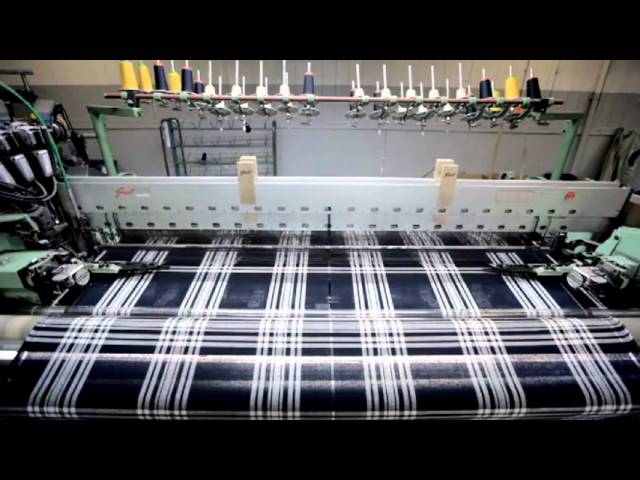
Johnstons of Elgin recently celebrated 215 years of the craftsmanship and manufacture of cashmere & fine woollens, at their textile mills in Scotland. Check out the video and see for yourself the story of a family business, steeped in heritage, driven to deliver the best, since 1797 from the second oldest family business in Scotland.
- Britain's Oldest Family Business
A TV programme, aired by the BBC in January 2014 charting the history of butchery and lives of the Balson family in Bridport, the oldest family firm in Britain. Butchers for over 500 years, dating back to 1515 when Henry VIII was on the throne and an incredible story that has succeeded for many generations. Well worth a watch!
- World Class Manufacturing Traditional Jukeboxes In Leeds
Sound Leisure has been manufacturing high quality Jukeboxes in Yorkshire since 1978. Still family owned, Sound Leisure remain one of only two traditional Jukebox manufacturers in the World. In addition to hand building a wide range of classic styled CD and Digital Jukeboxes they are the only manufacturer to be producing a vinyl playing Jukebox. Working alongside some of the world’s best known brands they export 75% of their machines which are sited in some of the World’s most prestigious locations, with many famous personalities boasting a Sound Leisure Classic Jukebox in their home. Here, Managing Director Chris Black takes a look at the essence of the family firm, showcases the factory and the back-story of this award winning family firm.